An ERP system for a construction company
Projects, purchasing, site teams and accounts ran on separate spreadsheets and tools, so information arrived late and was entered twice.
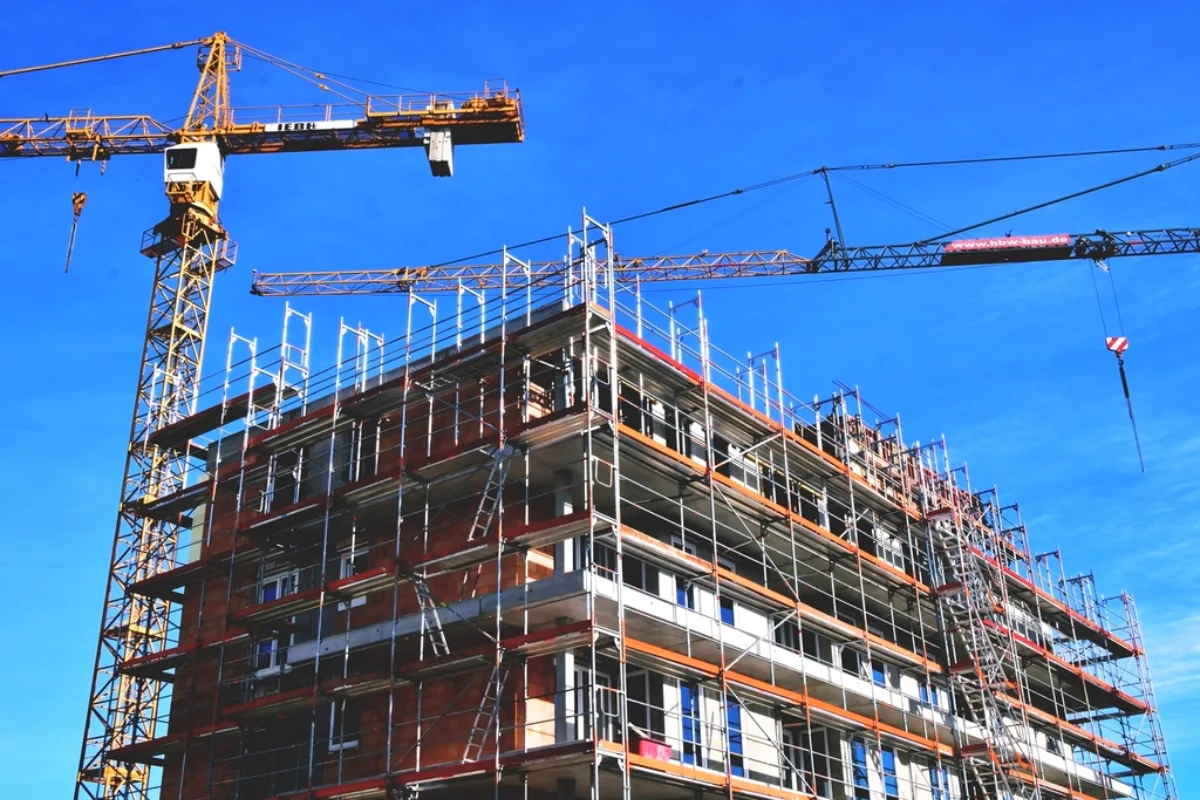
- IndustryConstruction
- SolutionERP system
- Channels & systemsProjects, procurement, HR, finance
- GoalOne system instead of separate tools
The challenge
The company ran its projects on separate spreadsheets and tools. Project progress, purchase requests, site teams, subcontractor work, invoices and accounts each lived somewhere different, so information arrived late and the same data was entered more than once.
What made this harder: the work is spread across several sites, and every site depends on materials, people and approvals arriving on time. When the office and the sites don’t see the same information, delays and cost overruns are discovered too late.
Our approach
We began by mapping how the company actually works: how a project is set up, how materials are requested and approved, how site teams and subcontractors are tracked, and how costs reach the accounts.
We then designed and built an ERP around those processes, rather than forcing the company into a generic one. It brings together projects and sites, procurement and suppliers, materials and inventory, HR and timesheets, subcontractors, invoicing, accounting and reporting, with approvals built in where the company needs them.
Our AI engine layer
This is how we set up AI: it does the routine work, and people stay in control of the decisions that matter.
Inside the ERP we added our AI engine layer, set up around the company’s own approval rules: who can request, who can approve, and up to what amount.
Handles the routine
- Turning site requests into purchase requests with the right project and cost code
- Matching supplier invoices to purchase orders and deliveries
- Collecting timesheets and subcontractor progress into each project
- Flagging projects that drift from budget or schedule
Waits for approval
- Purchase orders above the agreed limits
- Supplier payments and invoice disputes
- Budget changes and variations
- New suppliers and subcontractors
Nothing above an agreed limit moves without a person’s sign-off: the engine prepares the request with its context, sends it to the right manager and waits. As the team used the system, we tuned the rules and limits with them, so the engine handles more of the routine and asks only when it should.
Outcomes & impact
The company now runs on one system. Every project has its budget, schedule, purchases, labour and costs in the same place.
What it makes possible: management can see each project’s cost and progress at any time, purchases are approved and tracked from request to site, and each piece of data is entered once and used everywhere.
Instead of reconciling spreadsheets at the end of the month, the company can act while a project is still running.
Why this matters
Construction companies often grow faster than their systems. Each new project adds another spreadsheet, and the full picture of the business gets harder to see.
Our job was to replace that patchwork with one system built around how this company works, so the office and the sites share the same information.
In construction, margins are won or lost on the details. The companies that protect them are the ones that see problems early.
Let’s make your business
work better, together.
Request a free audit ↗More use cases
 Use case · AI chat & voice receptionistAI receptionists for a university Co-op departmentChat and voice receptionists for a major university’s Co-op department.
 Use case · Intelligent websites & dashboardsAn intelligent store and dashboard for a luxury Emirati abaya brandFrom Instagram messages to an AI-run store and one dashboard for orders, billing and stock.